
Pre-engaged Starter Motors
Alongside traditional inertia starter motors, IPU can also provide pre-engaged starter motors for both air and hydraulic starting systems. Depending on your application, a pre-engaged starter motor could be the essential choice to comply with safety regulations such as ATEX.
- Pre-engaged vs inertia starting
The key difference between inertia and pre-engaged starting is that the pinion on a pre-engaged starter motor fully engages with the ring-gear before rotating at high-speed. Unlike traditional inertia starter motors there is no collision between a rapidly rotating pinion and a stationary ring-gear. This is a key factor when operating in a flammable environment.
- How does a pre-engaged starter motor work?
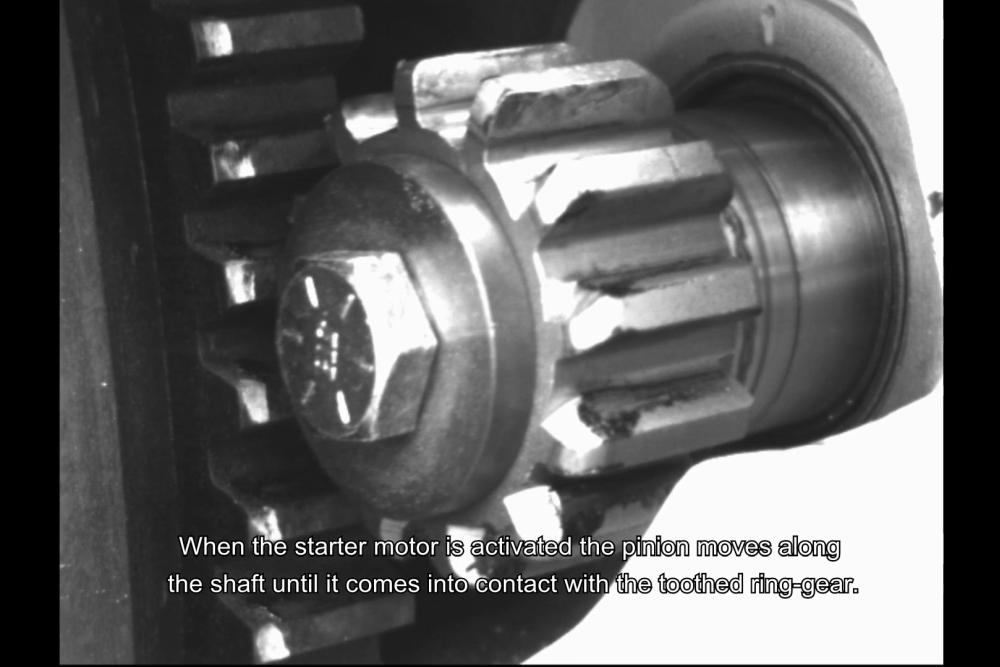
The starter motor is fitted with a relay valve which controls the movement of the pinion. When the starter motor is activated the pinion moves along the shaft until it comes into contact with the toothed ring-gear.
The pinion is then interlocked with the ring-gear before rotating to crank the engine.
As the engine gets up to speed the pre-engaged starter motor is protected from overspeed by a free wheel clutch (like the free wheel gear of a bicycle). At this stage the return spring retracts the pinion to its disengaged position.
Watch our close-up video of a pre-engaged starter motor in action:
- Pre-engaged starting and ATEX
Pre-engaged starter motors are critical in areas covered by the ATEX safety regulations as any sparks caused by the starting system could be disastrous. IPU’s pre-engaged starter motors satisfy ATEX’s EN1834-1 and 2 safety standards as they eliminate the risk of sparks being generated by traditional inertia engagement.