
Let's Talk
+44 (0) 121 511 0400
ipu@ipu.co.uk
IPU Group
Log in
Quote
ContactsContact us
  • Home Page
  • Explore IPU
  • Tank Cleaning
  • Your Industry
    • Marine Industry
    • Oil & Gas Industry
    • Mining
    • Healthcare
    • Data Centres & IT Services
    • Power Generation
  • IPU Academy
  • Fuel Management Services
    • Case Studies
    • HMRC Red Diesel Rebate Changes
    • IPU Fuel Conditioning Programmes
    • Diesel Testing – DieselCheck Service & Kits
    • Fuel Cleaning Services – ClearTank diesel cleaning
    • Fuel Tank Cleaning
    • Fuel Polishing Systems – Diesel Defence
    • Diesel Defence Servicing
    • Cloud Based Fuel Monitoring
    • Fuel Polishing Hire
    • Diesel Defender Fuel Additive
    • Baldwin Filters
    • Parker Racor Filtration
    • Donaldson Filters
    • Supporting Fuel Conditioning Products
    • What is Diesel Contamination?
    • Fuel Conditioning Contacts
  • Environmental Services
    • OFTEC Inspection services
    • MCERTS Emissions Gas Testing
    • Total Fuel Management
  • Case Studies
  • Servicing
  • Emissions Reductions
    • Case Studies
    • IPU Emissions Solutions
    • Selective Catalytic Reduction system (SCR)
    • Diesel Particulate Filter for gensets (DPF)
    • Latest Emissions Legislation: MCPD and NRMM
    • Clean Air Zones
    • Stack Modelling
    • What is NOx?
    • What is Particulate Matter?
  • CAN Bus Solutions
    • Senquip Telemetry ORBs
    • Enovation Engine and Genset Battery Chargers
    • Enovation J1939 Input/Output Modules
    • Enovation CAN J1939 PowerView Gauges
    • Enovation Process Monitoring Instruments
  • Displays
  • Filtration
    • Parker Racor Filtration
    • Baldwin Filters
    • Donaldson Filters
  • Component Sourcing
    • Single Sourcing
    • Specialist Component Sourcing
    • Engine Manufacture
    • Oil Industry Supply Company
    • Marine Engine Service Company
  • Manufacturing Services
    • IPU Sub-Assemblies
  • Case Studies
  • About IPU
    • About Us
    • Our capabilities
    • Our Distributors
    • IPU’s COVID-19 Response
    • Meet the Management Team
    • IPU Finance Options
    • Contact Us
    • Our History
    • Quality & Environmental
    • Modern Slavery Policy
    • Careers
    • News
    • Compliments & Complaints
  • Contact Us
  • Downloads
  • News
  • All Products

Home » Secondary starting systems

Secondary starting systems

Offshore platforms, drilling rigs, ships and mines are such dangerous environments that they all have emergency systems in place to fight fires, provide emergency lighting and pump air. But these emergency systems usually share one common characteristic: they use an electric starter. Secondary starting systems are vital to the continuity of critical services.
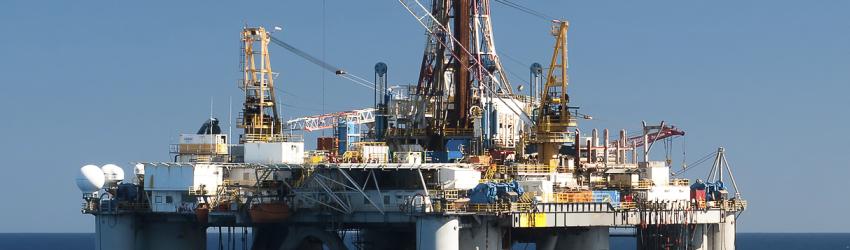
Oil and gas platforms need secondary starting systems

Oil and gas platforms need secondary starting systems for fire protection and standby power in case of emergencies.

The electric starter’s batteries inevitably degrade over time, especially in hostile environments like the North Sea, Gulf and polar regions (ironically, the oil and gas industry uses batteries in the worst places for battery health).

Electric starting systems need a secondary starting system in case they fail. That is the most common role for IPU’s starting systems. They are the backup to the primary start system and are completely independent from it. Because they store their own energy the condition of any electrical power source is irrelevant.


Hydraulic, air, nitrogen and spring starters

IPU is unique in being able to design, commission and support four different engine starting technologies. Each technology stores its energy in a different way:

  1. Hydraulic starting systems store energy as pressurised fluid in rechargeable hydraulic accumulators.
  2. Air (pneumatic) starting systems store energy as compressed air in rechargeable air accumulators.
  3. Nitrogen starting systems store energy as compressed nitrogen in standard nitrogen cylinders.
  4. Spring (mechanical) starters store kinetic energy in a spring under tension.


What is a “black start” system?

On ships, the secondary start system is often referred to as a “black start” system because it starts engines when everything else on the ship has stopped working. It is also called “dead ship” starting for the same reason.
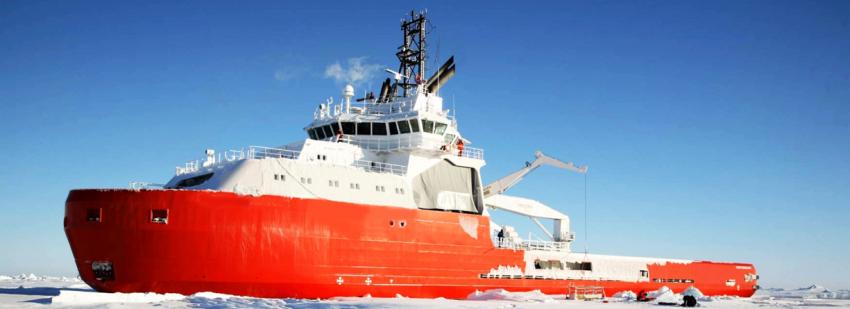
Ships have a particular need for secondary start systems.

Ships have a particular need for secondary start systems. Salt water and inactivity punish battery life.


Secondary starting systems and compliance

Hydraulic, air and nitrogen starters all have the capacity to start large engines. Which technology is appropriate for an application depends on a number of factors:

  • Regulations governing the starter’s environment (e.g. ATEX, NFPA 20 or NFPA 110)
  • The presence or absence of an existing hydraulic, air or nitrogen supply.
  • Experience with a specific technology.

Many dangerous or hazardous applications have rules or standards which govern how things are done. In some cases, large companies such as Shell or BP have their own standards which they enforce within a framework of industry-approved standards. This is common practice in the marine and offshore industry.

For example, oil and gas industry rules stipulate that a platform operator must have a certain coverage of fire pumps and adequate standby power generation facilities (this is usually a diesel-driven generator). Because fire pumps are a platform’s last line of defence for saving lives (short of evacuation by lifeboat), these rules can be quite onerous. The most-commonly adopted standard is NPFA 20.

Contacts

Downloads(no ID req'd)

  • IPU Engine Starting Systems Overview
  • IPU ATEX Handbook
  • This field is for validation purposes and should be left unchanged.
IPU Group

Registered in England & Wales: 12167631

WASP Industrial Power Units Ltd
Navigation Way
West Bromwich
West Midlands
B70 9DF, UK

Contact us
+44 (0) 121 511 0400
+44 (0) 121 511 0401
ipu@ipu.co.uk
Links
  • Homepage
  • Product Registration
  • Product Manuals
  • Terms & Conditions of Sales
  • Privacy & Cookies

ENGINE STARTING DIVISION ACQUIRED

Industrial Power Units Ltd. of the United Kingdom (IPU Group Ltd) has concluded an acquisition to sell its Engine Starting Division to an international group of companies. This sale concluded in September 2024.

Following the sale, the Engine Starting division of IPU Ltd is now Powerstart Limited, and will be managed by David Caddick (previous Sales and Technical Director of IPU).

The full range of engine starting products, including starter motors and bespoke systems, are now available through Powerstart Limited.

IPU will continue to provide an ever-expanding range of fuel polishers & maintenance products and emissions gas testing, and remain premier distributors for several global brands.

Please select whether to be redirected to our new partner site Powerstart Limited or stay on the IPU website.

Go to Powerstart Stay on IPU