Let's Talk
+44 (0) 121 511 0400
ipu@ipu.co.uk
IPU Group
Log in
Quote
ContactsContact us
  • Home Page
  • Explore IPU
  • Tank Cleaning
  • Your Industry
    • Marine Industry
    • Oil & Gas Industry
    • Mining
    • Healthcare
    • Data Centres & IT Services
    • Power Generation
  • IPU Academy
  • Fuel Management Services
    • Case Studies
    • HMRC Red Diesel Rebate Changes
    • IPU Fuel Conditioning Programmes
    • Diesel Testing – DieselCheck Service & Kits
    • Fuel Cleaning Services – ClearTank diesel cleaning
    • Fuel Tank Cleaning
    • Fuel Polishing Systems – Diesel Defence
    • Diesel Defence Servicing
    • Cloud Based Fuel Monitoring
    • Fuel Polishing Hire
    • Diesel Defender Fuel Additive
    • Baldwin Filters
    • Parker Racor Filtration
    • Donaldson Filters
    • Supporting Fuel Conditioning Products
    • What is Diesel Contamination?
    • Fuel Conditioning Contacts
  • Environmental Services
    • OFTEC Inspection services
    • MCERTS Emissions Gas Testing
    • Total Fuel Management
  • Case Studies
  • Servicing
  • Emissions Reductions
    • Case Studies
    • IPU Emissions Solutions
    • Selective Catalytic Reduction system (SCR)
    • Diesel Particulate Filter for gensets (DPF)
    • Latest Emissions Legislation: MCPD and NRMM
    • Clean Air Zones
    • Stack Modelling
    • What is NOx?
    • What is Particulate Matter?
  • CAN Bus Solutions
    • Senquip Telemetry ORBs
    • Enovation Engine and Genset Battery Chargers
    • Enovation J1939 Input/Output Modules
    • Enovation CAN J1939 PowerView Gauges
    • Enovation Process Monitoring Instruments
  • Displays
  • Filtration
    • Parker Racor Filtration
    • Baldwin Filters
    • Donaldson Filters
  • Component Sourcing
    • Single Sourcing
    • Specialist Component Sourcing
    • Engine Manufacture
    • Oil Industry Supply Company
    • Marine Engine Service Company
  • Manufacturing Services
    • IPU Sub-Assemblies
  • Case Studies
  • About IPU
    • About Us
    • Our capabilities
    • Our Distributors
    • IPU’s COVID-19 Response
    • Meet the Management Team
    • IPU Finance Options
    • Contact Us
    • Our History
    • Quality & Environmental
    • Modern Slavery Policy
    • Careers
    • News
    • Compliments & Complaints
  • Contact Us
  • Downloads
  • News
  • All Products

Home » News » Engine Starting » Non-Electric Engine Starting Systems – Top 5 Advantages

Non-Electric Engine Starting Systems – Top 5 Advantages

September 3rd, 2019 in Engine Starting, News

You want one thing from your engine, for it to start every time you push the button. That normally requires an electric start motor. But what happens if the power is down and the starter battery has lost its charge? If the engine is critical (i.e a generator at a data centre or hospital) the results could be catastrophic. A non-electric engine starting system mitigates this risk by not suffering from the same problems.

Non-electric engine starting
Few oil platforms have an abundance of space. IPU’s hydraulic and air starter motors can connect to existing utilities.

Non-electric engine starting
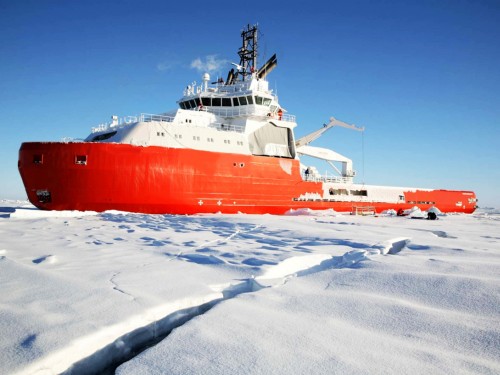
IPU’s non-electric starting systems are not as impacted by temperature like battery starting systems.
Non-electric engine starting
IPU’s non-electric engine starting systems comply with ATEX as they do not produce a spark.
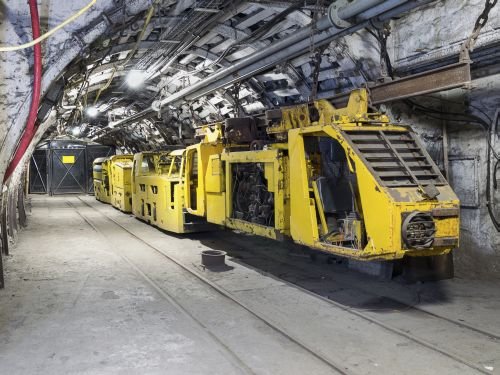
Electric batteries are one of the most common power sources for engine starting systems. They are simple, easy-to-use and are often the default starter provided by engine manufacturers. However, batteries have their drawbacks. There are also working environments that require ATEX certification (such as an underground mine or offshore gas platform) where even a small spark is considered dangerous. This is why many marine, oil & gas and mining organisations choose non-electric engine starting systems.

1. ATEX approved – Zero sparks

ATEX regulations protect those working in hazardous environments. They’re areas that contain highly flammable gasses and materials as part of the day to day activities. Electric starter motors could pose a risk as they produce a spark to start an engine.

IPU’s ATEX approved starter motors do not produce a spark as they do not use electricity. They use either air or hydraulic pressure depending on the requirements of the project and the facilities available.


2. Not impacted by temperature

Cranking an engine is hard work and takes a significant amount of energy. During cold weather the task is made even more difficult by the thickened viscosity of the oil in the crankcase which increases the drag. At the same time a battery has less amps available because cold temperatures slow down its chemical processes.

If the starter has worn internal components, a poor ground or positive cable connection, or the battery’s level of charge is low, the engine may not crank fast enough to start or it may not crank at all. This affects the reliability of critical systems.

IPU’s starting systems do not require a battery so are more reliable in temperature extremes. We have successfully tested them in some of the world’s most extreme conditions. Including the sub-zero temperatures off the Russian coast to the baking heat of the Arabian deserts.


3. Non-electric engine starting systems never loses charge

As batteries get older they eventually struggle to hold a charge. Hydraulic and air starting systems from IPU do not to suffer the same fate. IPU’s engine start systems can maintain enough energy to crank the engine even after long shut down periods. Alternatively, our starter motors can be connected to existing air or hydraulic supply ports for even greater reliability.


4. Manual Charging

Non-electric starters have a key back up solution should everything else fail, an option for manual charging. IPU’s hydraulic and air starting systems come with either a hand pump or foot pump depending on the application. This means, even if the charge is lost a little elbow grease can get the engine going again.


5. Minimal space and equipment requirements

Very few oil platforms, drilling rigs or mining vehicles have an abundance of space to house a starting system. That’s why IPU offers hydraulic and air starter motors that can connect to existing facilities. Alternatively, our engineering team can design a custom start package to fit almost any space.


Free Handbook

Our free ATEX Handbook de-mystifies the complex world and ATEX safety approvals. Get your free copy here.

« Previous Post
Next Post »
« Back to all News

Recent Blog Articles

  • Press Release: WASP IPU March 31, 2026
  • When the lights go out:
    The crucial role of fuel polishing in backup power reliability
    May 6, 2025
  • Vacancy: Sales Engineer March 3, 2025
  • Vacancy: Workshop & Service Engineer September 4, 2024
  • IPU GROUP LTD SELLS ENGINE STARTING DIVISION TO INTERNATIONAL GROUP August 1, 2024
  • This field is for validation purposes and should be left unchanged.
IPU Group

Registered in England & Wales: 12167631

WASP Industrial Power Units Ltd
Navigation Way
West Bromwich
West Midlands
B70 9DF, UK

Contact us
+44 (0) 121 511 0400
+44 (0) 121 511 0401
ipu@ipu.co.uk
Links
  • Homepage
  • Product Registration
  • Product Manuals
  • Terms & Conditions of Sales
  • Privacy & Cookies

ENGINE STARTING DIVISION ACQUIRED

Industrial Power Units Ltd. of the United Kingdom (IPU Group Ltd) has concluded an acquisition to sell its Engine Starting Division to an international group of companies. This sale concluded in September 2024.

Following the sale, the Engine Starting division of IPU Ltd is now Powerstart Limited, and will be managed by David Caddick (previous Sales and Technical Director of IPU).

The full range of engine starting products, including starter motors and bespoke systems, are now available through Powerstart Limited.

IPU will continue to provide an ever-expanding range of fuel polishers & maintenance products and emissions gas testing, and remain premier distributors for several global brands.

Please select whether to be redirected to our new partner site Powerstart Limited or stay on the IPU website.

Go to Powerstart Stay on IPU