
Let's Talk
+44 (0) 121 511 0400
ipu@ipu.co.uk
IPU Group
Log in
Quote
ContactsContact us
  • Home Page
  • Explore IPU
  • Tank Cleaning
  • Your Industry
    • Marine Industry
    • Oil & Gas Industry
    • Mining
    • Healthcare
    • Data Centres & IT Services
    • Power Generation
  • IPU Academy
  • Fuel Management Services
    • Case Studies
    • HMRC Red Diesel Rebate Changes
    • IPU Fuel Conditioning Programmes
    • Diesel Testing – DieselCheck Service & Kits
    • Fuel Cleaning Services – ClearTank diesel cleaning
    • Fuel Tank Cleaning
    • Fuel Polishing Systems – Diesel Defence
    • Diesel Defence Servicing
    • Cloud Based Fuel Monitoring
    • Fuel Polishing Hire
    • Diesel Defender Fuel Additive
    • Baldwin Filters
    • Parker Racor Filtration
    • Donaldson Filters
    • Supporting Fuel Conditioning Products
    • What is Diesel Contamination?
    • Fuel Conditioning Contacts
  • Environmental Services
    • OFTEC Inspection services
    • MCERTS Emissions Gas Testing
    • Total Fuel Management
  • Case Studies
  • Servicing
  • Emissions Reductions
    • Case Studies
    • IPU Emissions Solutions
    • Selective Catalytic Reduction system (SCR)
    • Diesel Particulate Filter for gensets (DPF)
    • Latest Emissions Legislation: MCPD and NRMM
    • Clean Air Zones
    • Stack Modelling
    • What is NOx?
    • What is Particulate Matter?
  • CAN Bus Solutions
    • Senquip Telemetry ORBs
    • Enovation Engine and Genset Battery Chargers
    • Enovation J1939 Input/Output Modules
    • Enovation CAN J1939 PowerView Gauges
    • Enovation Process Monitoring Instruments
  • Displays
  • Filtration
    • Parker Racor Filtration
    • Baldwin Filters
    • Donaldson Filters
  • Component Sourcing
    • Single Sourcing
    • Specialist Component Sourcing
    • Engine Manufacture
    • Oil Industry Supply Company
    • Marine Engine Service Company
  • Manufacturing Services
    • IPU Sub-Assemblies
  • Case Studies
  • About IPU
    • About Us
    • Our capabilities
    • Our Distributors
    • IPU’s COVID-19 Response
    • Meet the Management Team
    • IPU Finance Options
    • Contact Us
    • Our History
    • Quality & Environmental
    • Modern Slavery Policy
    • Careers
    • News
    • Compliments & Complaints
  • Contact Us
  • Downloads
  • News
  • All Products

Home Β» What is biodiesel?

What is biodiesel?

Understanding β€˜diesel’ is not as simple as it used to be. New fuel types have been developed in response to our desire to reduce the cost and environmental impact of diesel power. As with so many changes made with the best intentions, the introduction of biodiesel leaves many commercial and domestic users confused.

It is vitally important to understand the term ‘biodiesel’ in the context of your own industry, so for clarification on what it means, read the first few pages of our Fuel Conditioning Handbook.Β Click here to request your free copy

When biodiesel is added to the roster of diesel types – petrochemical diesel, ultra low sulphur diesel, red diesel, etc. – it does present a crowded and confusing landscape.
Biodiesel

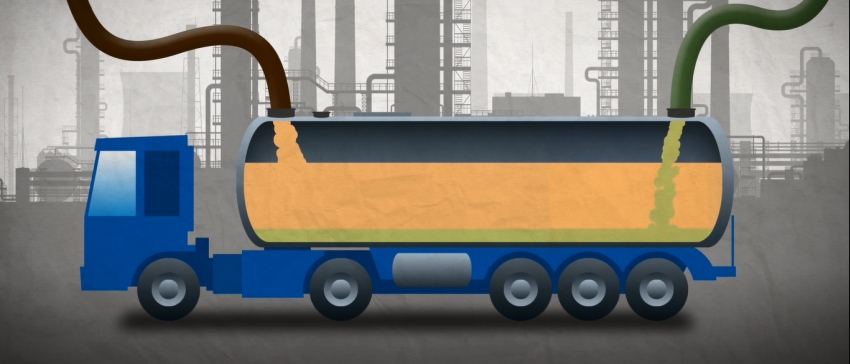
The diesel we buy in Europe is a blend of 93% petrochemical diesel and 7% biodiesel. Biodiesel – or FAME (Fatty Acid Methyl Ester) to give it its technical name – has been added to petrochemical diesel since 2011.

What is biodiesel and how is it used?

Biodiesel is diesel fuel made from plants and other biological materials. The most common form of biodiesel is FAME (Fatty Acid Methyl Ester). However, biodiesel is rarely used in its pure form.

Biodiesel is added to petrochemical diesel to make the fuels we use. Different β€˜B’ numbers are used to designate how much biodiesel the fuel contains: B7 uses 7% biodiesel, B20 uses 20% biodiesel, and so on. B7 biodiesel is currently used in the UK and Europe.

Diesel purchased in Europe, the United States, Canada and Australasia will almost certainly be biodiesel. Other parts of the world such as South America are starting to use biodiesel too.

The Middle East is still dominated by petrochemical diesel so, although they suffer less from water-borne contaminants like diesel bug, they do still encounter particulate contamination.

Why does biodiesel present a problem?

For all its environmental advantages, biodiesel is more vulnerable to fuel contamination than petrochemical diesel because it has a higher water content. It contains more water when it leaves the refinery andΒ because it is hygroscopic,Β it canΒ attract even more water if it is stored badly.

Water is problematic in two ways: it can damage engines during the combustion process and it encourages the growth of microbial contamination (a.k.a. the diesel bug) in storage tanks.

When stored, biodiesel also suffers from particulate contaminationΒ even more so than petrochemical diesel. Rust, dirt, wax, sand, clay, asphaltines, microbial growth and colloid carbon all reduce the fuel quality.

IPU’s Diesel Defence fuel polishing systems combat particulate and water-based contamination.

Watch this video to learn more about fuel contamination:

A fuel conditioningΒ programme addresses this problem. An effective programme includes four stages: testing, cleaning, polishing and stabilisation.

This next video shows exactly how our fuel conditioning program works and ensures your fuel is clean, dry and ready to use:

Is contaminated biodiesel risk to me?

IPU serves numerous organisations that provide critical power to hospitals, government facilities, military installations, banks, data centres and other commercial sites.

When mains power fails these sites already face severe problems. They cannot afford any possibility that their backup power will fail too. Because biodiesel is so easily contaminated it is unquestionably a potential point of failure.

An effective fuel conditioningΒ programme removes this risk.

Biodiesel’s specific characteristics have prompted leading engine manufacturers and fuel companies to issue best practice guidance for its storage.

Get your free handbook

  • The Essential Guide to Fuel Polishing

    Everything you need to understand the importance of fuel polishing, its benefit to you and how it is done by IPU.

  • Register your interest for a fuel seminar

    Sign up to our next fuel seminar. Learn about fuel conditioning; food & accommodation included!

Contacts

Downloads(no ID req'd)

  • IPU Fuel Conditioning Overview
  • IPU ClearTank
  • IPU Diesel Defence Polishing Systems Brochure
  • This field is for validation purposes and should be left unchanged.
IPU Group

Registered in England & Wales: 12167631

WASP Industrial Power Units Ltd
Navigation Way
West Bromwich
West Midlands
B70 9DF, UK

Contact us
+44 (0) 121 511 0400
+44 (0) 121 511 0401
ipu@ipu.co.uk
Links
  • Homepage
  • Product Registration
  • Product Manuals
  • Terms & Conditions of Sales
  • Privacy & Cookies

ENGINE STARTING DIVISION ACQUIRED

Industrial Power Units Ltd. of the United Kingdom (IPU Group Ltd) has concluded an acquisition to sell its Engine Starting Division to an international group of companies. This sale concluded in September 2024.

Following the sale, the Engine Starting division of IPU Ltd is now Powerstart Limited, and will be managed by David Caddick (previous Sales and Technical Director of IPU).

The full range of engine starting products, including starter motors and bespoke systems, are now available through Powerstart Limited.

IPU will continue to provide an ever-expanding range of fuel polishers & maintenance products and emissions gas testing, and remain premier distributors for several global brands.

Please select whether to be redirected to our new partner site Powerstart Limited or stay on the IPU website.

Go to Powerstart Stay on IPU