
ATEX Certification and Marking
The phrase “ATEX certification” is often used in engine starting, but what exactly does it mean? If you operate an offshore platform or underground mine – or if you supply products to companies that do – ATEX certification means safety.
The name ‘ATEX’ is short for “Atmospheres Explosibles”. It is a strict set of regulations that applies to products intended for use in any hazardous working environments. Products are categorised according to the level of hazard that exists in the zone they will be used.
For IPU, ATEX applies to the engine starting systems we manufacture for:
- Fire pumps
- Winches
- Wire lines
- Compressors
- Generators and power packs
- FSVs (free-steer vehicles)
- Rail systems
Our handbook explains how you can ensure your equipment will operate safely in ATEX Zone 0 and why IPU’s air & hydraulic engine starters are compliant – Click here to request your free copy
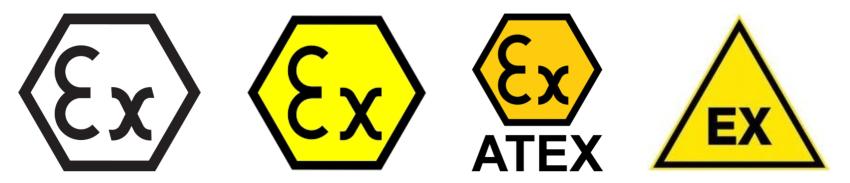
Equipment can only display the ATEX logo once they have passed ATEX Certification.
Routes to ATEX certification
There are two different routes to having products ATEX certified. Self-certification is allowed for products in Categories 2 and 3. These products are destined for use in the less hazardous zones: 1, 2, 21 and 22. The manufacturer can stipulate that the product conforms to the necessary standards.Category 1 products are destined for use in the most hazardous areas: 0 and 20. These products can only be approved by an external agency known as a Notified Body.
Category 1 products are destined for use in the most hazardous areas: 0 and 20. These products can only be approved by an external agency known as a Notified Body. The EU list of authorised Notified Bodies can be found on the EU website.
ATEX Certification through Notified Bodies
IPU’s ATEX starter motors are ATEX-certified and approved to BS EN1834-1 and 2 standards through a 3rd party assessment. They achieve compliance through a number of factors including:
- A cast iron construction to eliminate any aluminium content. Aluminium is banned in most underground mines as it is a key component in a thermite reaction.
- Pre-engagement between the pinion and the ring-gear. The starter motor waits until the pinion has fully engaged with the engine’s ring-gear before rotating and cranking the diesel engine. This eliminates the risk of sparks being generated by traditional inertia engagement.
ATEX Self-Certification
Self-regulation is a process with a poor reputation. Just ask Fifa. People are reluctant to trust self-policing organisations. Complete trust is essential where platform safety is concerned . But what level of confidence can be attached to a certificate issued by the same company that manufactured the product?
Is ATEX self-certification acceptable or a disaster waiting to happen?
ATEX is the standard that governs safety in potentially explosive working environments (including platforms and underground mines). When it comes to ATEX certification there can be no room for uncertainty. That is why IPU’s ATEX approved starters were put through rigorous 3rd party assessment to achieve certification.
If a starter motor has been self-certified but does not meet all of the requirements the results could be catastrophic. If lucky, the result will be as mild as equipment failure but if not, it could lead to the operator suffering injury or a fatality.
A number of factors could impact the quality of an ATEX self-certification assessment. Including:
- Poor knowledge of the standards could lead to an inaccurate assessment.
- An internal auditor may be under pressure to pass a product.
- The internal auditor may also be unknowingly biassed during the audit process.
IPU’s ATEX approved start motors
IPU’s ATEX approved hydraulic and air start motors are unique. They are made using a cast iron construction to eliminate the use of aluminium. ATEX recommends against using aluminium and for good reasons. Aluminium is the primary fuel for a thermite reaction, a chemical process that gives off so much heat it is used to weld railway tracks. In most parts of the world, aluminium is banned from underground mines.
ATEX marking
ATEX certified products display a mark that identifies the environment for which they have been approved. A typical mark could be the ATEX symbol followed by “II 2G Eexd IIB T4”. The meaning of the marks is as follows:
| Heading | Mark | Meaning |
| Explosion-proof | 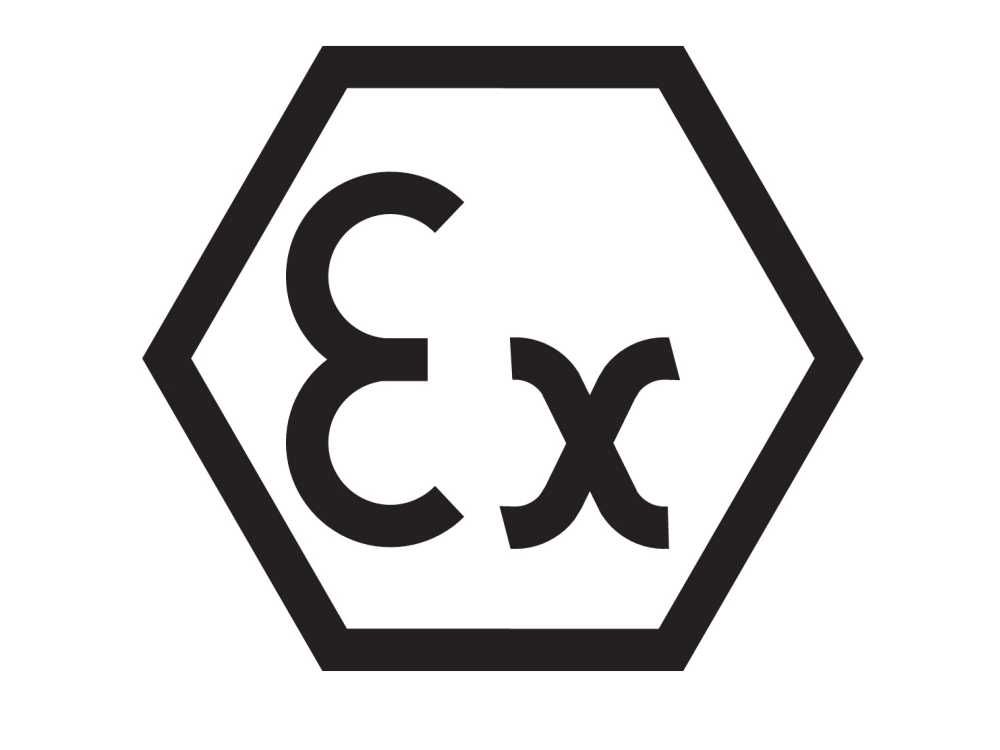 |
In accordance with the ATEX directive |
| Equipment Group | I | For use in underground mines |
| II | For use in all other places | |
| Category | 1 | Equipment that is intended for use in areas where an explosive atmosphere is present continuously, for long periods or frequently |
| 2 | Equipment that is intended for use in areas where an explosive atmosphere is likely to occur in normal operation and must ensure a high level of protection. | |
| 3 | Equipment that is intended for use in areas where an explosive atmosphere is unlikely to occur in normal operation and must ensure a normal level of protection. | |
| Gas / Dust | G | Equipment certified for use in flammable gases |
| D | Equipment certified for use where dust is present in the atmosphere | |
| Type of Protection | d | Flameproof |
| Ia | Intrinsically Safe | |
| e | Increased safety | |
| Gas Group | I | Mines |
| II | Surface above ground industries | |
| Gas Sub-Group | A | Less easily ignited gases e.g. propane |
| B | Easily ignited gases e.g. ethylene | |
| C | Most easily ignited e.g. hydrogen or acetylene | |
| Temperature Classification | T1 | 450ºC |
| T2 | 300ºC | |
| T3 | 200ºC | |
| T4 | 135ºC | |
| T5 | 100ºC | |
| T6 | 85ºC |